How to Repair Damaged Nails After Gel or Acrylic
Damaged nails after gel or acrylic enhancements are more common than most people realize, and they often result from how these products interact with the natural nail plate over time. When gels or acrylics are applied, the nail surface is typically buffed to help the product adhere, which can gradually thin the nail with repeated use.
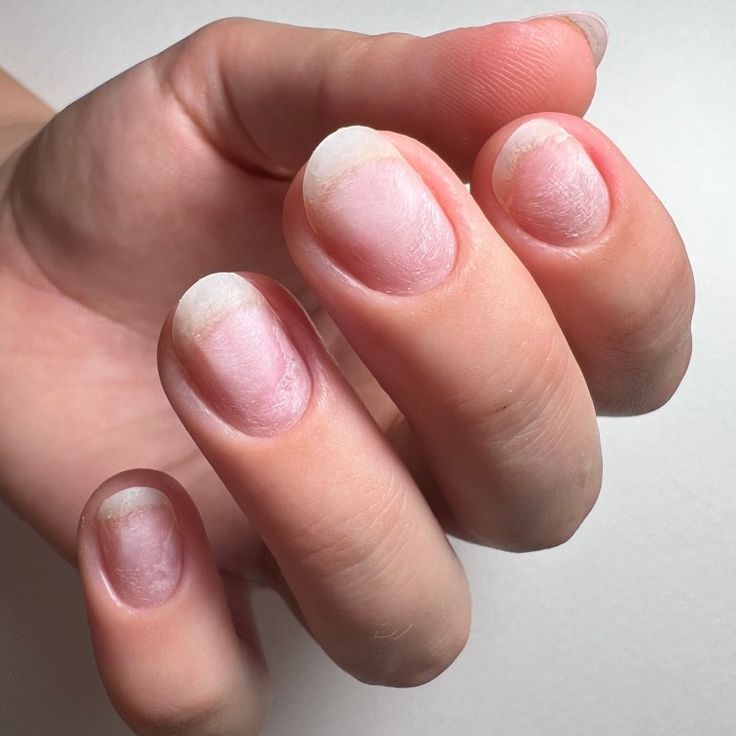
The real issue often appears during removal, especially if the product is peeled or forcefully lifted, because this process can strip away layers of keratin, the protein that gives nails their strength. As a result, nails may look dull, feel soft or overly flexible, and develop peeling, ridges, or white patches.
Some people also notice increased sensitivity, since the protective layers of the nail have been compromised. Environmental factors, such as exposure to chemicals and lack of moisture, can further worsen the condition, making the nails more prone to breakage and slow regrowth.
Understanding these underlying causes helps to recognize that nail damage is not just cosmetic but a structural issue that develops gradually with repeated wear and improper handling.
Why Nails Get Damaged?
Nails get damaged when their natural structure is slowly worn down by repeated stress, both from beauty routines and everyday habits. The nail plate is made of delicate layers of keratin, and even small actions, like frequent buffing, overexposure to water, or contact with harsh chemicals, can weaken those layers over time.
When products like gel or acrylic are applied, the surface is often prepped to help them stick, which can thin the nail if done regularly. Damage becomes more noticeable when the nail loses its natural moisture and flexibility, leading to peeling, splitting, or a rough texture.
Even simple habits like using your nails as tools or skipping gentle care can add to the problem. In many cases, nail damage isn’t caused by a single moment, but by a gradual breakdown that happens when the nails are repeatedly pushed beyond what they’re designed to handle.
You Can Bring Your Nails Back to Life After Gel or Acrylic
After weeks of wearing gel or acrylics, it’s completely normal for your natural nails to feel a little worn out. You might notice they look thinner, feel softer, or have a slightly uneven texture. This happens because the nail surface has gone through repeated prep, product layering, and removal, which can leave it more delicate than usual.
At this stage, your nails aren’t permanently damaged; they’re simply in a weakened state and need time and mindful care to return to their natural strength.
With the right approach, patience, and a gentle routine, your nails can gradually regain their smoothness, resilience, and healthy appearance.
Give Your Nails a Break
After removing gel or acrylics, your nails need a pause from constant product buildup so they can recover their natural balance. Continuous back-to-back applications don’t give the nail plate enough time to restore itself, especially after it has been filed, buffed, and exposed to removal solutions.
During this break, your nails may feel softer or look uneven, which is simply a sign that they’ve been under stress. Letting them stay bare or minimally coated for a while allows new, healthier nail growth to come in without interference.
This resting period is not about neglect; it’s about creating space for your nails to rebuild their strength and return to a more stable, natural state over time.
Trim and Shape Gently
When nails are weakened after gel or acrylics, even small pressure can lead to splits or peeling, which is why trimming and shaping them carefully matters more than ever. Keeping your nails slightly shorter reduces the risk of snagging on everyday surfaces, while a soft, rounded, or squoval shape helps distribute pressure more evenly across the nail.
The way you file also plays a role; rough, back-and-forth motions can create tiny fractures along the edges, making the nail more vulnerable to breakage.
Damaged nails often have uneven layers or rough tips, so gentle shaping helps smooth out these weak points and prevents further stress from building up.
Over time, this simple habit supports healthier growth by minimizing additional damage while the new nail gradually grows in stronger and more even.
Hydration Is Everything
Soft, flexible nails rely on moisture to stay strong, and without it, they can quickly become dry, brittle, and prone to peeling. Daily exposure to water, soap, and environmental stress can strip away the natural oils that keep the nail plate balanced, leaving it rough and fragile.
This dryness doesn’t just affect how nails look; it impacts how well they hold together, making even minor pressure lead to splits or cracks.
Restoring moisture helps improve elasticity, giving nails the ability to bend slightly instead of breaking under stress. Consistent hydration supports a smoother texture, a healthier appearance, and a stronger foundation for new growth to come in naturally.
Strengthen From Within
Strong, healthy nails are built from the inside out, not just from what you apply on the surface. Since nails are made of protein, their condition often reflects your overall nutrition and daily habits.
A lack of essential nutrients, like biotin, iron, or healthy fats, can show up as slow growth, weakness, or a tendency to split. What you eat plays a quiet but powerful role in how your nails repair and renew themselves over time.
A balanced diet supports the natural growth cycle, helping new nails come in smoother, thicker, and more resilient. Instead of relying only on external care, focusing on internal nourishment gives your nails a stronger foundation that lasts beyond temporary fixes.
Use a Nail Strengthener (But Don’t Overdo It)
A nail strengthener can act like a temporary shield, giving fragile nails a bit of extra support as they grow out. These treatments are designed to reinforce the nail surface, helping it feel less flimsy and more protected during everyday activities.
However, relying too heavily on them can have the opposite effect; some formulas can make nails overly rigid, which increases the chance of snapping instead of bending.
Finding a balance is what really matters. Used thoughtfully, a strengthener can help maintain structure and improve the overall look of the nail while it gradually regains its natural resilience.
Never Peel or Pick Again
Peeling or picking at gel or acrylic might seem harmless in the moment, but it quietly causes some of the most serious damage to your natural nails. As the product lifts, it often takes thin layers of the nail along with it, leaving the surface uneven, rough, and noticeably weaker.
This kind of damage doesn’t just affect how your nails look; it disrupts their structure, making them more prone to splitting and slow, uneven growth. What feels like a quick fix can actually extend the recovery process and make nails more fragile over time.
Treating your nails with patience instead of force helps preserve their natural strength and keeps them looking healthier as they grow out.
What to Expect During Recovery
Recovery is a gradual process, and your nails will go through small, noticeable changes as they grow out. At first, they may still appear uneven, thin, or slightly discolored, which is simply the leftover effect of past stress on the nail surface.
As new growth begins to come in from the base, you’ll start to see a smoother, healthier section replacing the damaged areas. This transition can take a few weeks to become visible and a couple of months to fully grow out, depending on your natural growth rate.
During this time, patience is key; each new layer that forms is stronger and more balanced, slowly restoring your nails to their natural, healthy state.
Keep This in Mind
Your nails don’t need perfection; they need care. Taking a break, nourishing them daily, and being patient will bring them back to life.
And when you’re ready for gel or acrylic again, make sure removal is done the right way. Healthy nails can still enjoy beautiful manicures; you have to treat them kindly in between.
Small, consistent habits make the biggest difference; those tiny moments of care add up over time. Pay attention to how your nails feel, not just how they look, and let that guide your routine. Strong, healthy nails aren’t built overnight, but with a little patience and mindful care, they will gradually return softer, smoother, and more resilient than before.